Three kinds of supplier
Most clothing suppliers fit one of these models, or a mix of them.
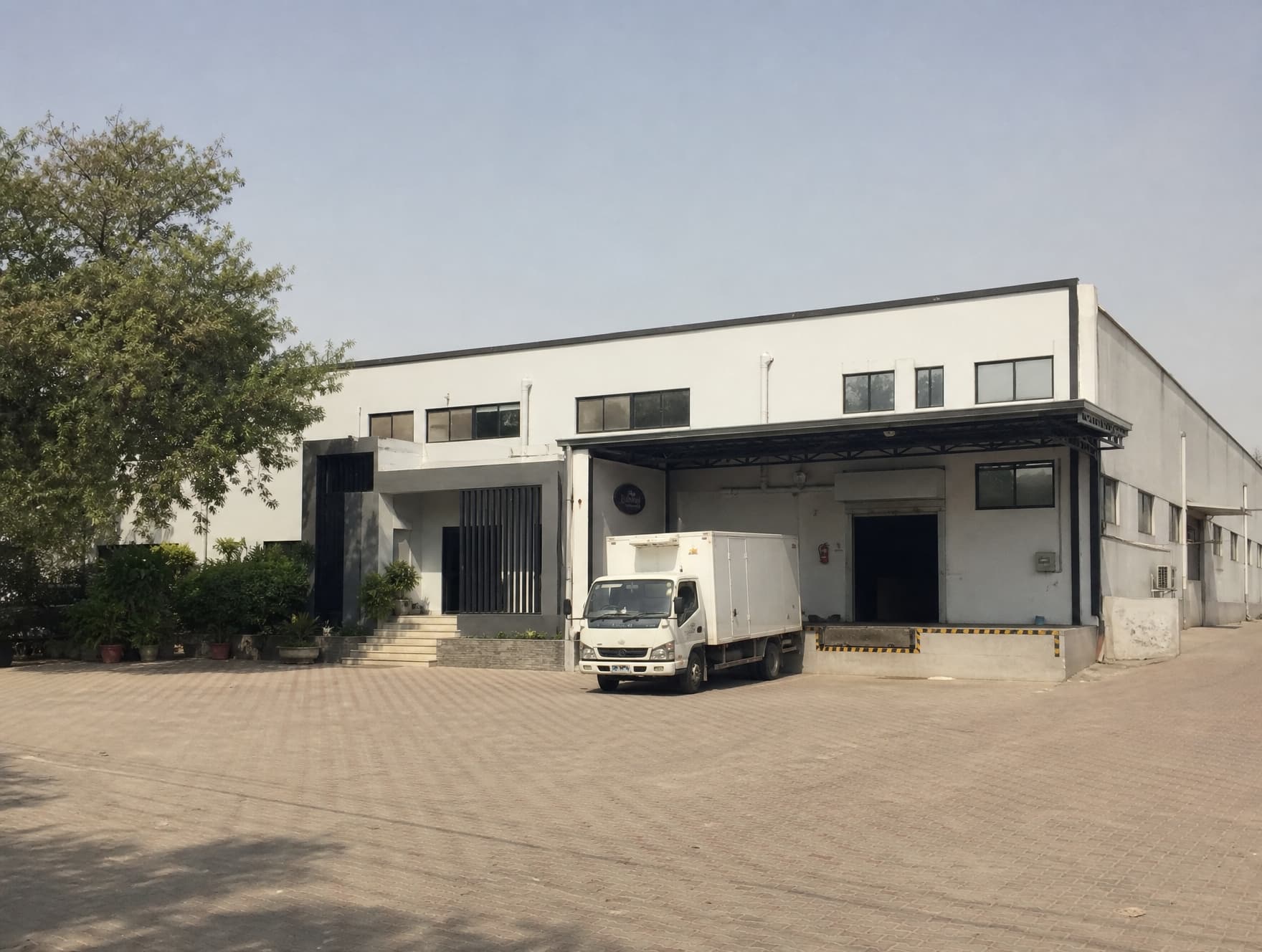
- Factory: owns and runs the cutting, sewing and finishing for the product you buy.
- Trading company or agent: develops and coordinates production at partner factories.
- Hybrid: makes some categories in house and places others with partner facilities.
Why it matters
The model changes who controls quality and who you hold accountable. A factory controls its own line. A good trading company adds value through range, sourcing and supervision across several facilities. The risk is not the model itself but a supplier who claims one model while using another, because then the audits, certificates and sample approvals you rely on may describe a different place.
Questions that reveal the truth
Ask them plainly, and expect specific answers.
- Which facility will cut and sew my order, and what is its address?
- Do certificates and audit reports name that facility?
- Is any stage, such as printing, embroidery or washing, done elsewhere?
- Can you show the line on a live video call?
- Who signs off the pre production sample, and where?
Warning signs
Treat these as prompts to ask more, not proof of anything.
- Every category, from leather to towels, described as made under one roof.
- Certificates shown as logos without numbers, or numbers that name another company.
- Testimonials with no way to verify the buyer.
- Factory photos that look like stock images or do not match a live video.
How TextileWays states it
Every product family on this site states whether it is manufactured in house, through an audited partner facility, or developed and sourced to your specification. You know the route before you order, and the same specification and inspection points apply on every route.