Why there is no single price
A t-shirt can cost very little or a great deal depending on what it is made of and how it is made. Any figure quoted without a specification is a guess, which is why reputable suppliers ask for details before they quote. Understanding the drivers lets you compare quotes sensibly and decide where to spend.
Fabric is usually the largest share
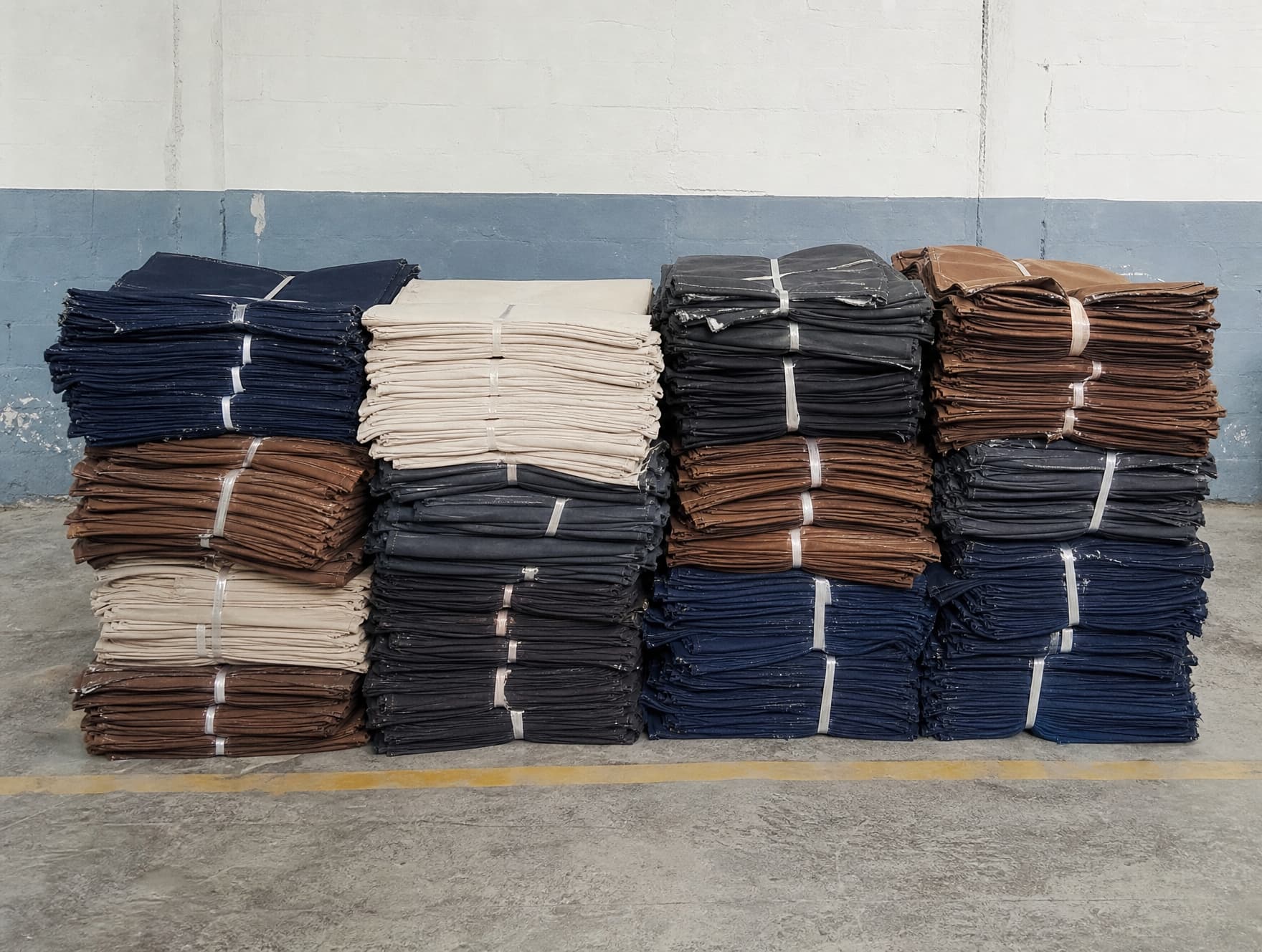
Fabric type, weight and quality set a large part of the cost. A heavier fleece uses more material than a light jersey. Organic, recycled or technical fabrics usually cost more than standard cotton or polyester. Fabric made specially for your order carries mill minimums that raise the cost for small quantities.
Construction and labour
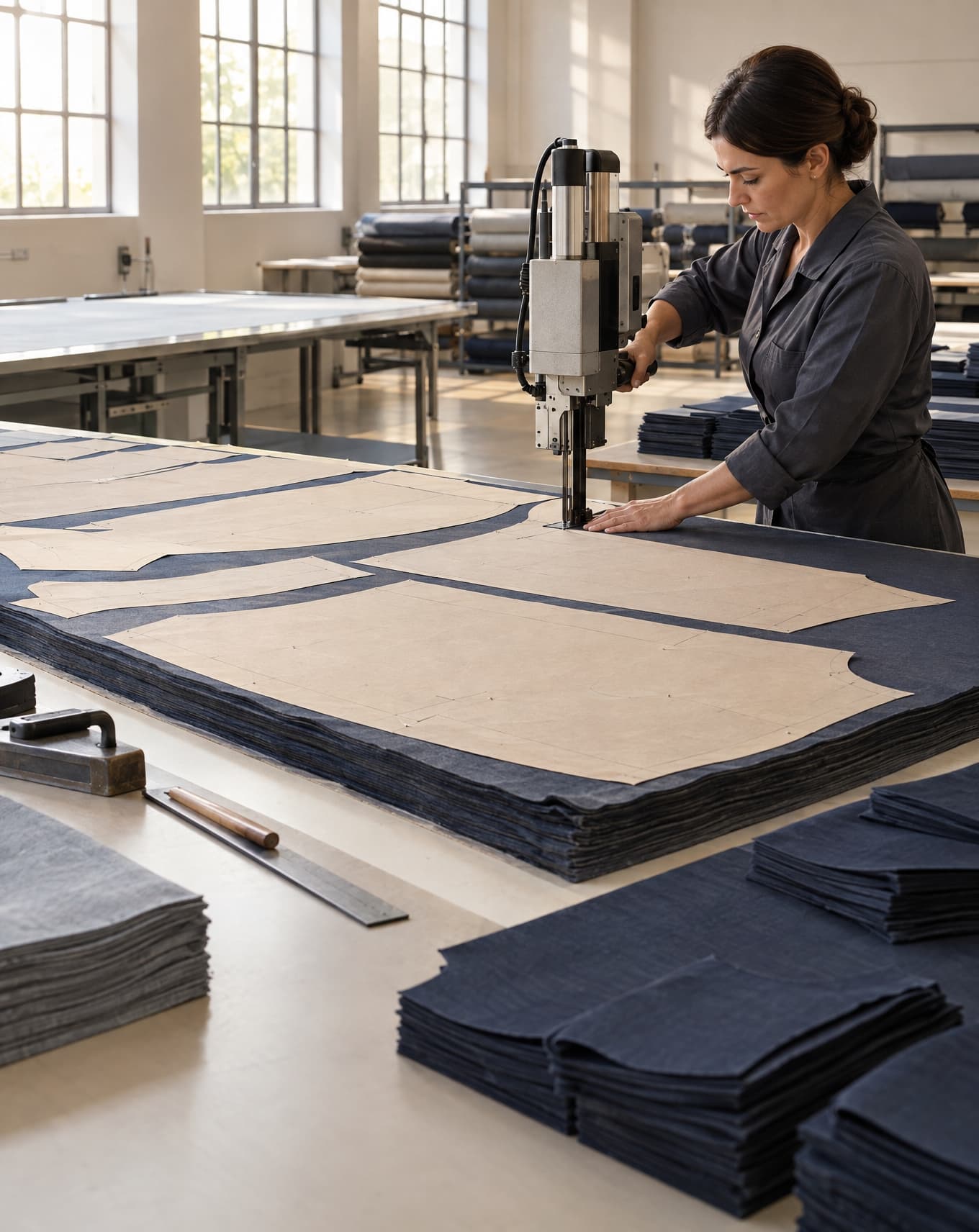
Every extra seam, pocket, panel and finish takes machine time. A plain tee is quick to sew. A hoodie with a lined hood, a zip and a kangaroo pocket takes longer. Complex garments cost more to make and need more careful quality control.
Trims, labels and packaging
Zips, buttons, drawcords, woven labels, hangtags and polybags each add cost. Custom versions cost more than stock ones and add minimums and lead time. Decide which details matter to your brand and keep the rest simple on a first order.
Decoration
Printing and embroidery add set up and per piece cost. Screen printing has a setup per colour and is economical at volume. DTG and DTF suit small runs with many colours. Embroidery cost rises with stitch count. Washes and dyes add a separate processing cost.
Quantity and the cost per piece
Many costs are fixed for a style, such as pattern making, grading, setup and fabric minimums. Spread over fifty pieces they weigh heavily. Spread over five thousand they matter far less. This is why cost per piece usually falls as quantity rises, and why a small first run buys information at a higher unit cost.
Costs outside the factory price
Budget for samples and courier, freight, insurance, import duty and taxes at the destination, and your own testing and compliance costs. These can change the real landed cost significantly, so ask for a quote that states the shipping terms it assumes.
- Sampling charges and courier cost.
- Freight, insurance and customs clearance.
- Duty and taxes for your destination.
- Testing and labelling required in your market.
How to compare quotes fairly
Give every supplier the same specification and ask for the same breakdown. A much lower price than the others usually means a different fabric, a lighter weight, fewer finishing steps or costs left out. Ask what is included, then compare like with like.