
How each mode is charged
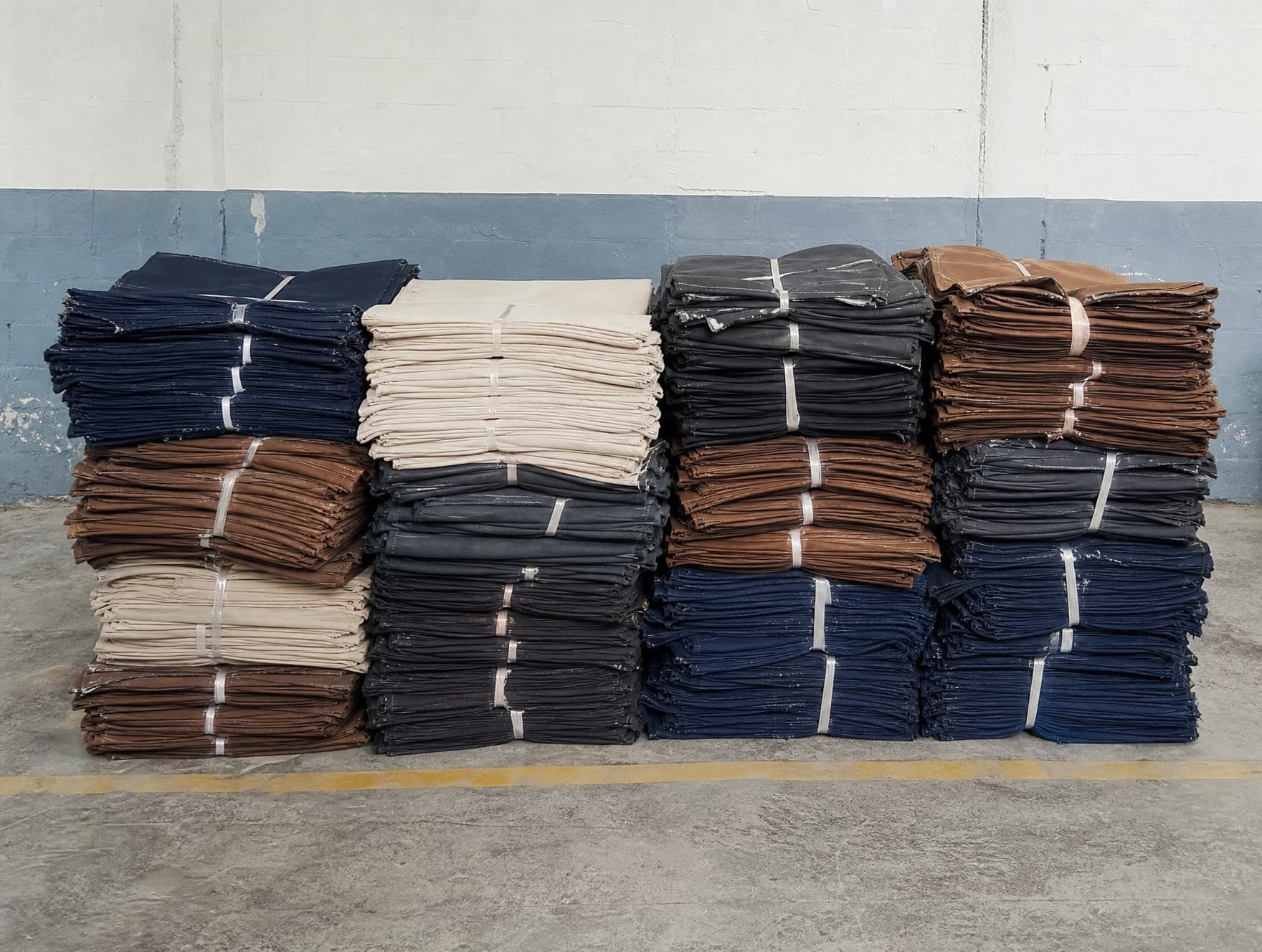
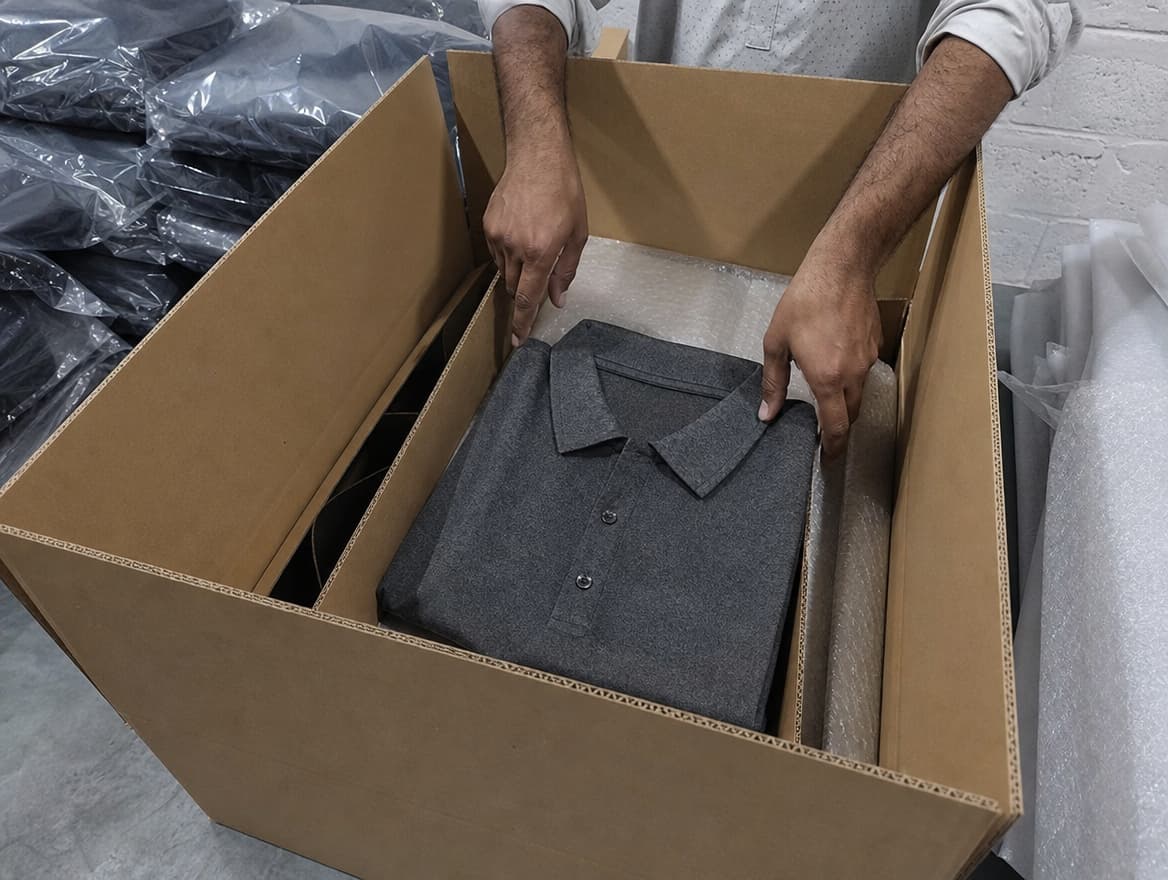
Sea freight is charged by container or by volume, so efficient folding and carton planning lower the cost. Air freight is charged on the greater of actual weight and volumetric weight, which makes bulky or heavy garments expensive to fly.
When sea freight is right
Choose sea freight when the date allows it.
- Volume orders and repeat replenishment.
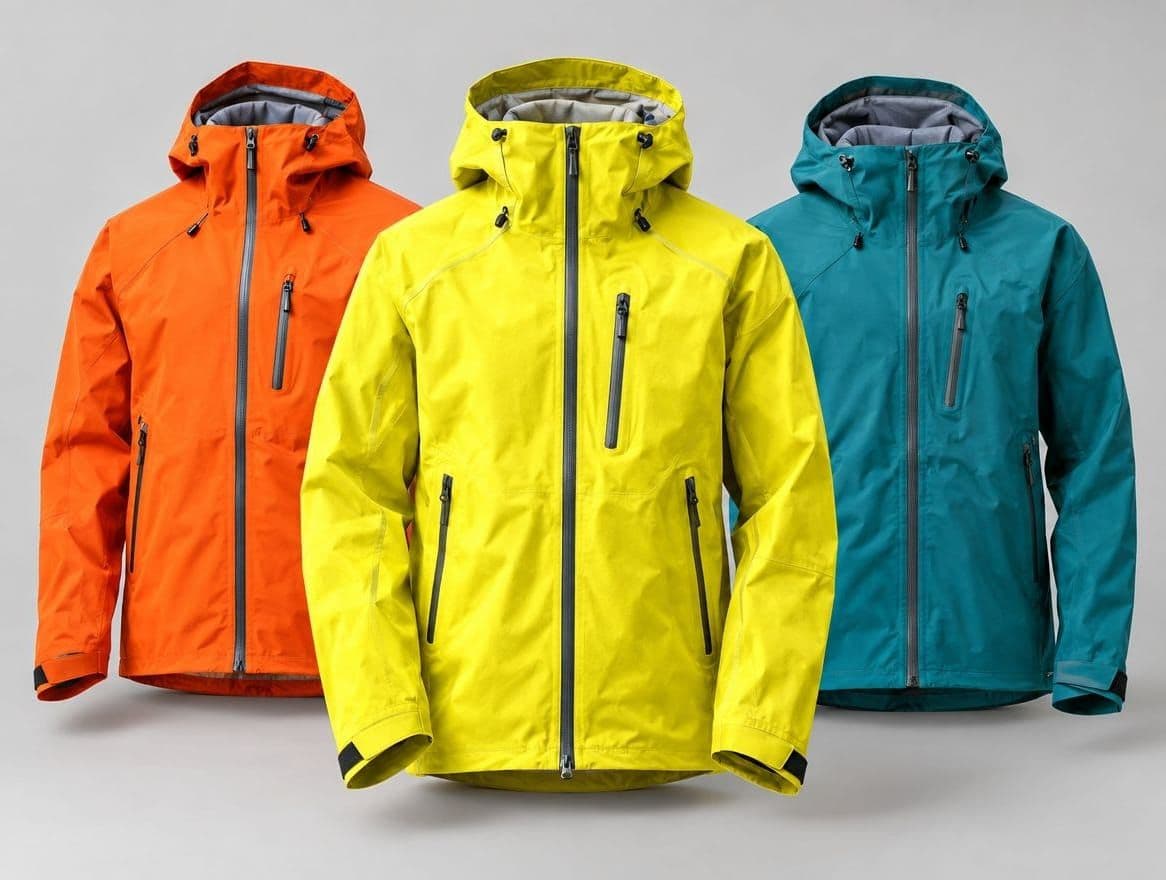
- Heavy garments, such as hoodies, fleece, denim and outerwear.
- Small first orders, using consolidated shipping.
When air freight is right
Choose air freight when the date cannot move.
- A launch or event date that cannot move.
- Samples and size sets.
- Light garments in small quantities where the cost difference is modest.
Plan it into the schedule
Freight mode is a scheduling decision, not only a cost decision. Decide it before production is booked, so the production end date is set by the transit time you can afford rather than the other way round. Our landed cost guide shows how to compare both modes in your own currency.