What white label clothing is
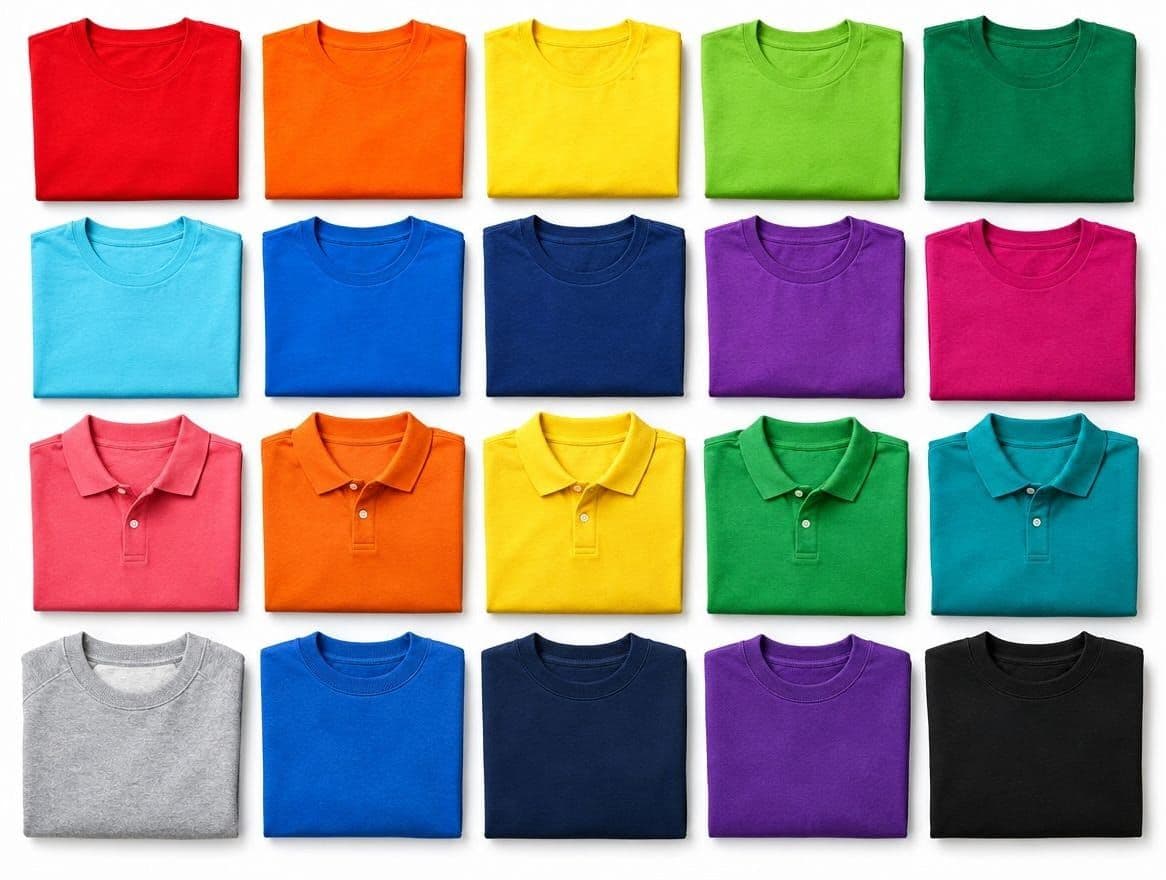
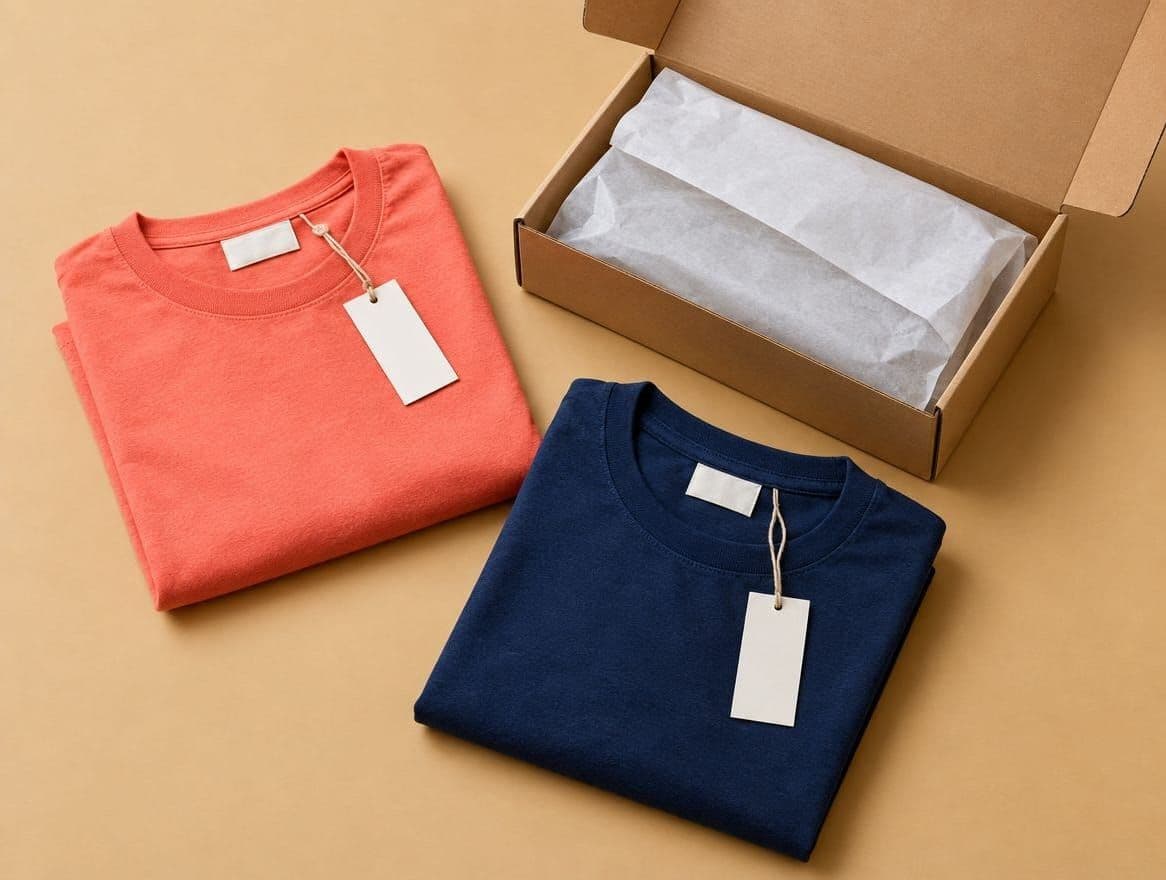
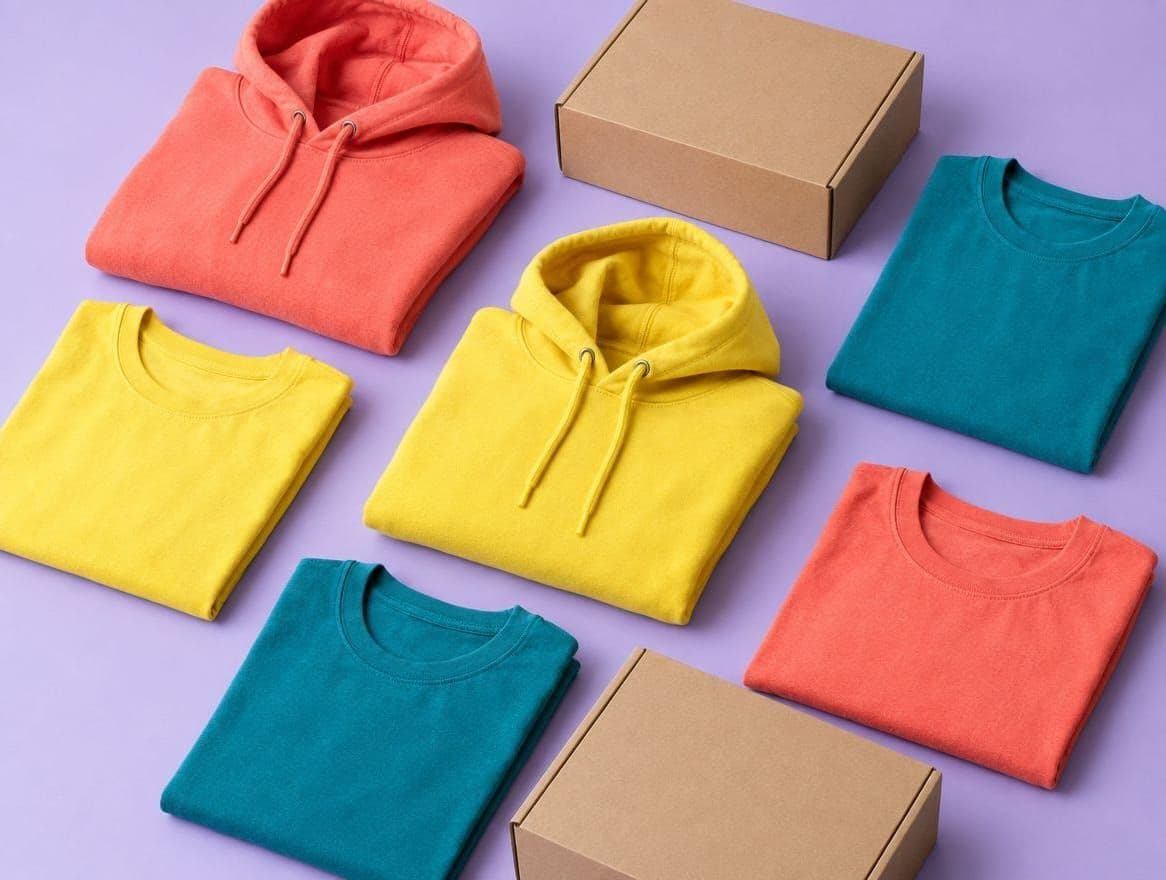
White label clothing is a product the manufacturer already makes, which you buy and sell under your own label. The design, pattern and fabric are the manufacturer's standard, often with a choice of colours and your branding added. Other brands may sell the same base product, so it is not exclusive.
What private label clothing is
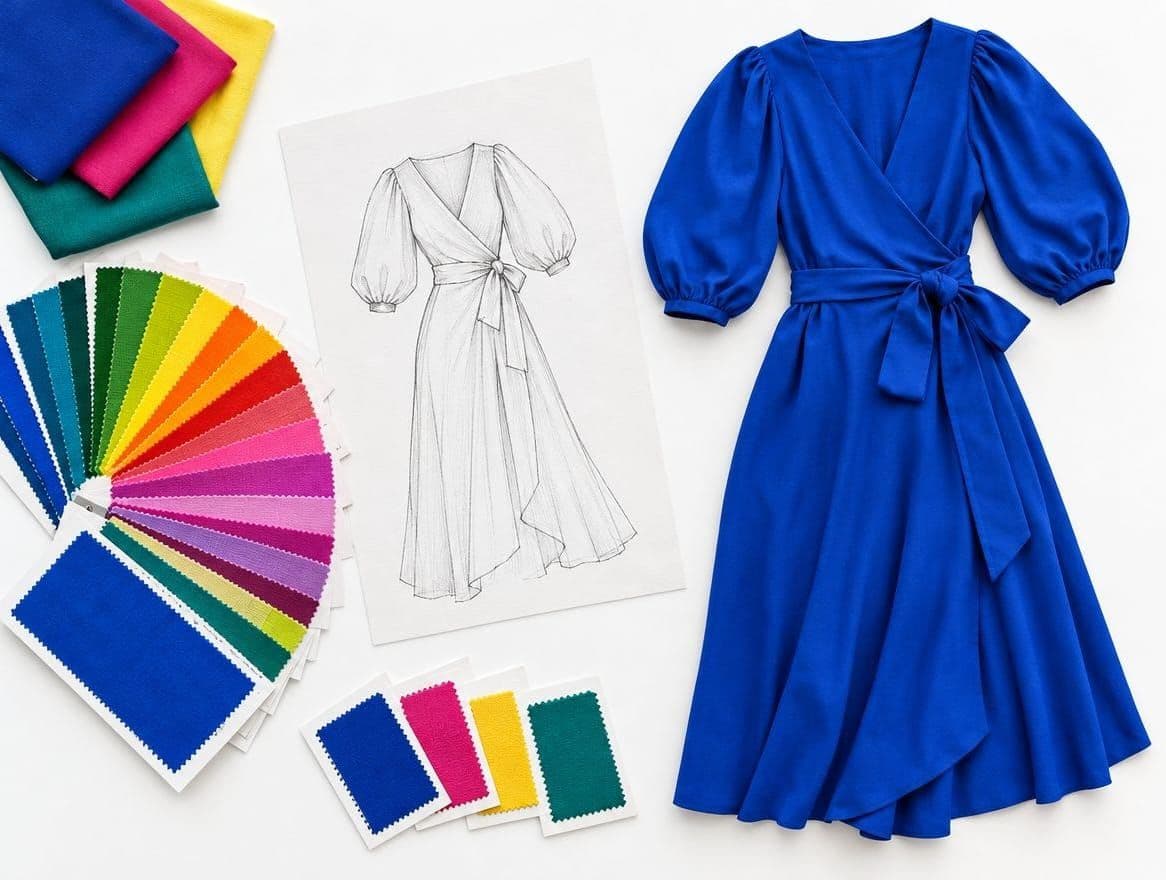
Private label clothing is made to your specification, for you alone. You provide the design or the brief, and the manufacturer develops the pattern, selects fabric and trims and produces samples until you approve. The finished product is yours, with your labels, packaging and construction details.
How they compare
The choice comes down to speed, control and exclusivity.
- Speed: white label starts faster because the product already exists.
- Control: private label lets you decide fabric, fit, trims and finish.
- Exclusivity: private label is yours alone, white label is not.
- Minimums: white label can be lower, private label depends on fabric and decoration.
- Development: private label needs sampling rounds, white label usually needs only your branding.
When white label makes sense
White label suits a brand testing a market with a small budget, a team without product development experience, or a campaign that needs product quickly. It lets you learn what customers buy before you invest in your own designs.
When private label makes sense
Private label suits a brand that wants a distinctive fit, fabric or detail, protection from direct copies, and consistent quality that it controls. It needs a specification and some patience for sampling, but the product is the foundation of the brand.
Where OEM and custom clothing fit
OEM means the manufacturer produces to your design. ODM means the manufacturer supplies the design and you choose and brand it. Private label can use either. The terms overlap, so describe what you want in plain language and ask the supplier which route fits.
Starting small and growing
Many brands begin with a small white label or lightly customised run, watch what sells and then develop private label products around the winners. Whichever route you choose, ask for a sample first and check it against a written specification before you place bulk production.