A logo is not a certificate
A real certificate carries a number, the name of the issuing body, a scope that names the facility and the products or processes covered, and an issue and expiry date. A logo on a website carries none of that.
Ask for the document, check the number with the issuer, and confirm the certificate names the factory that will make your order, not a head office or a trading affiliate.
Sedex
Sedex is an online platform where suppliers share ethical and compliance information with their buyers. Membership is not a certificate. Audits, most often using the SMETA methodology, are carried out separately, and the results are shared through the platform with the buyers the supplier chooses.
WRAP
WRAP, Worldwide Responsible Accredited Production, is a certification for facilities that make apparel, footwear and other sewn products. A facility completes a self assessment and is then audited against social compliance principles covering areas such as forced labour, working hours and workplace safety. It is widely used by buyers who sell into the United States.
BSCI
amfori BSCI, the Business Social Compliance Initiative, is a social audit system used by many European retailers and brands. The supplier is audited against a code of conduct and the outcome is graded. It is a common request in European sourcing.
OEKO-TEX Standard 100
OEKO-TEX Standard 100 tests textile products for harmful substances. It applies to the product, and every component, from fabric to thread to buttons, must meet the limits before the label can be used. The certificate number can be checked with OEKO-TEX, and it covers the specific articles named on it, not a whole factory.
ISO 9001
ISO 9001 certifies a quality management system: documented processes, records and corrective actions, audited by an accredited body. It shows that a factory manages quality systematically. It does not guarantee that a particular garment meets your specification, which is what samples and inspection are for.
GOTS and other fibre claims
GOTS, the Global Organic Textile Standard, covers organic textiles across the whole chain, including processing and labelling. A garment can only carry a GOTS claim if every stage is certified and the transaction certificates are in place, which is why an organic claim needs its paperwork from the start.
Which one do you actually need?
It depends on who you sell to. Ask your retailer or importer what they require before you ask a factory what it holds:
- Selling to United States retailers: a social compliance audit such as WRAP or a Sedex SMETA audit is often requested.
- Selling to European retailers: BSCI or a Sedex SMETA audit are common requests.
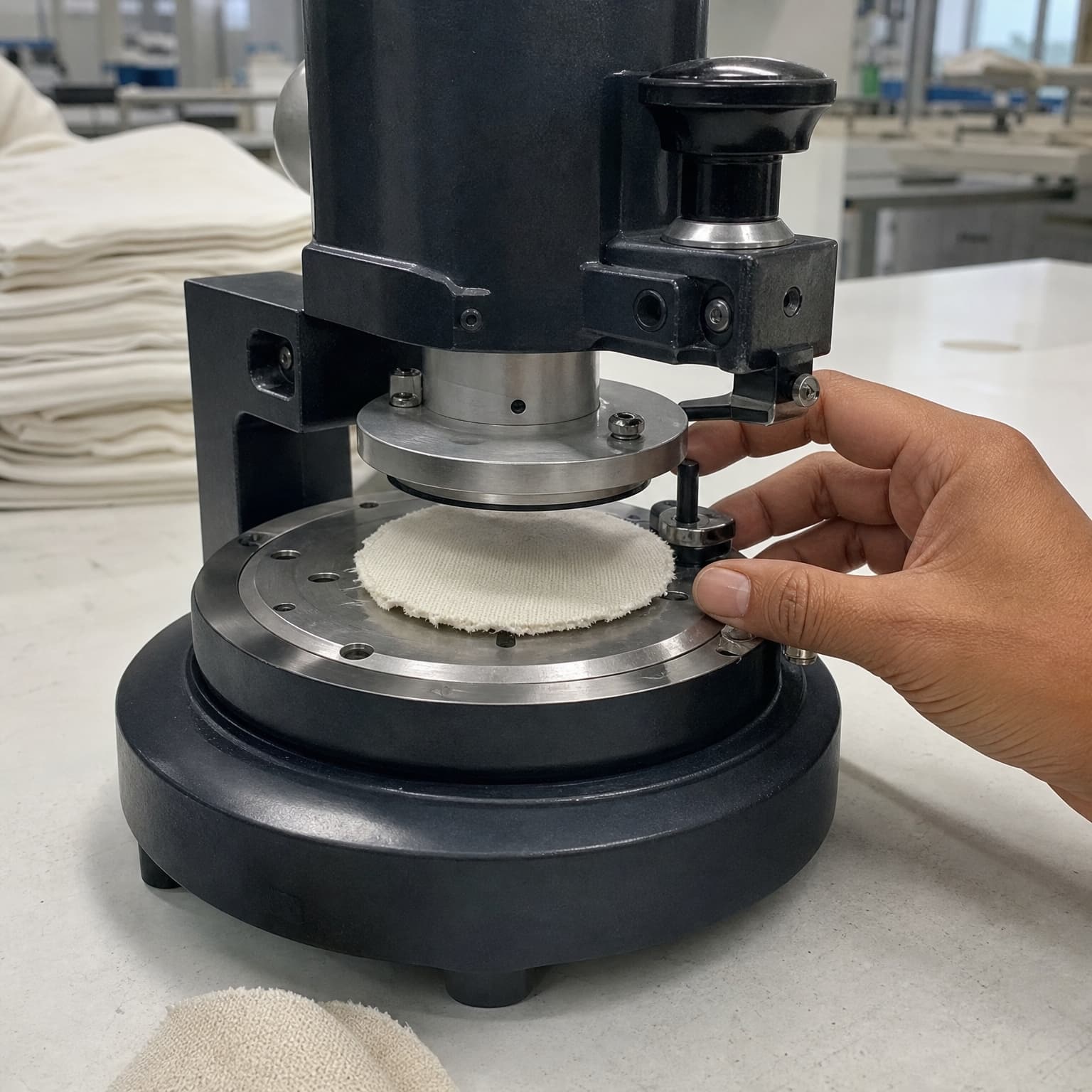
- Children's or next to skin product: product testing such as OEKO-TEX Standard 100, or laboratory reports for your market.
- Organic claims: GOTS or another certified chain, with transaction certificates.
- Any programme: ISO 9001 helps a quality review but does not replace sampling and inspection.
How TextileWays handles this
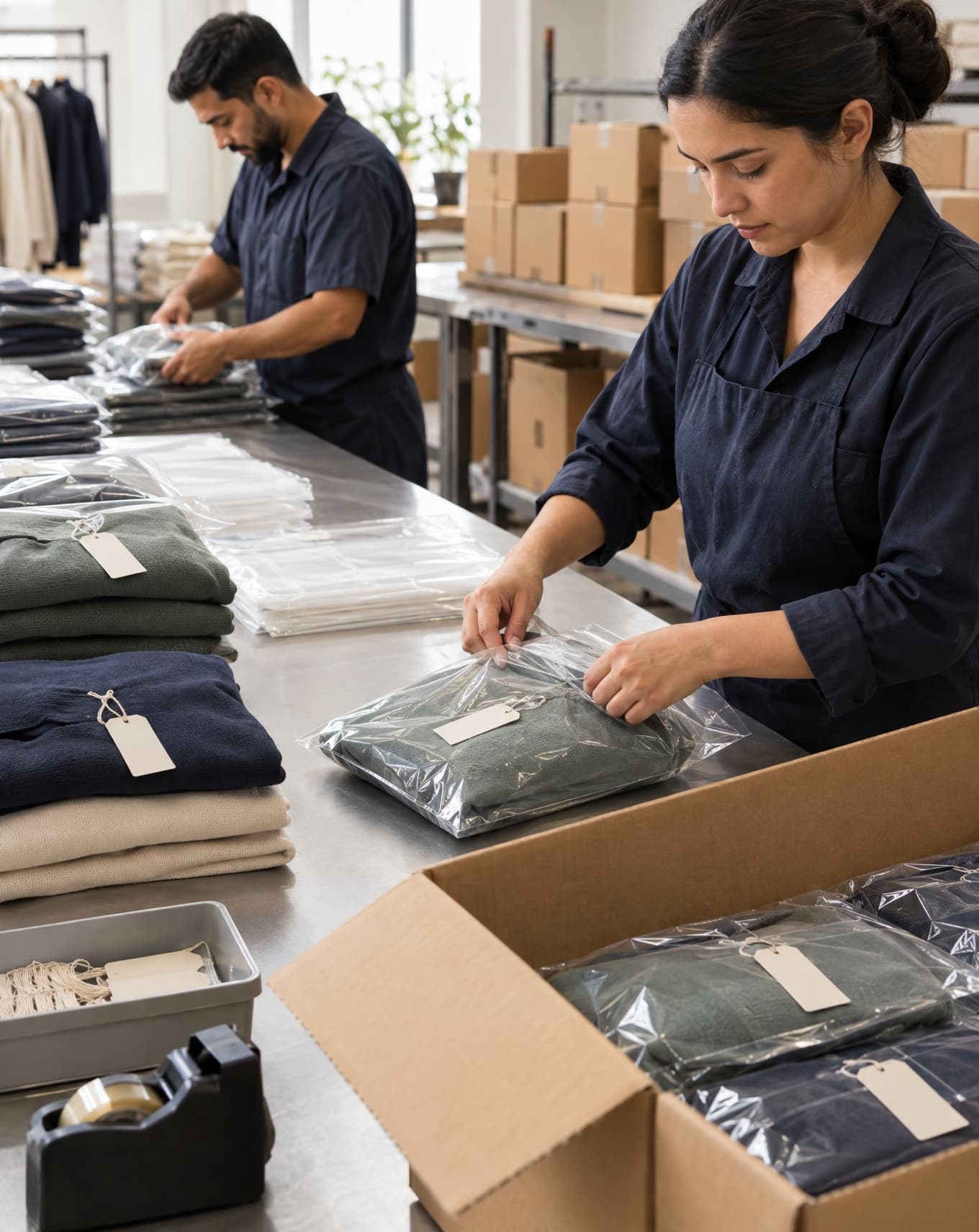
Certificates TextileWays holds are published with their numbers on the certifications page. Nothing appears there until it has been verified, and we state plainly which requirements we can and cannot evidence for your market before a quotation is agreed. Where a buyer requires a certificate or audit, laboratory testing and third party inspection can be coordinated.